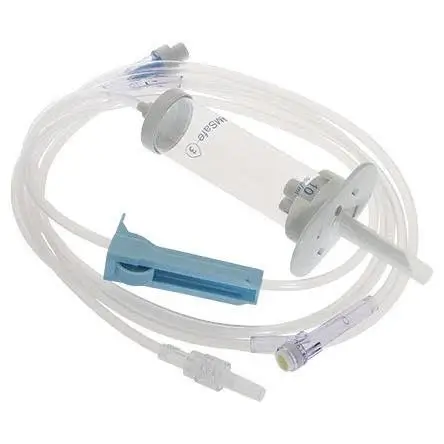
Training New Clinical Staff on IV Drip Chamber Fundamentals

Effective clinical education around IV drip chamber use represents an important foundational element of nursing and clinical staff training, given how frequently this component factors into everyday intravenous therapy administration across virtually all clinical care settings.
Building Foundational Understanding Early in Clinical Training
New clinical staff benefit from early, thorough education regarding iv drip chamber function, since this component appears in virtually every standard IV administration setup they’ll encounter throughout their clinical practice, making solid foundational understanding valuable regardless of the specific clinical specialty or setting where staff ultimately practice.
Hands-On Practice With Actual Equipment
Rather than relying purely on didactic instruction, effective training programs incorporate hands-on practice using actual administration set products, allowing new staff to physically observe proper chamber filling technique, practice recognizing appropriate fluid level, and build comfort with visual drip rate assessment under supervised training conditions before independent clinical practice.
Addressing Common Errors During Training
Clinical education should specifically address common practical errors new staff might encounter, including overfilling during initial priming, difficulty accurately counting drip rate for flow calculation, and recognizing when chamber fluid level requires attention during ongoing patient monitoring, providing proactive guidance rather than allowing new staff to learn these lessons purely through independent trial and error.
Connecting Drip Chamber Function to Broader Clinical Safety
Training should help new staff understand how drip chamber function connects to broader clinical safety considerations, including its role in air embolism prevention and its function within manual flow rate calculation, helping staff appreciate this component’s clinical significance beyond viewing it as simply a passive observation window.
Simulation-Based Training Approaches
Many healthcare education programs increasingly incorporate simulation-based training scenarios involving IV administration, allowing new staff to practice complete setup and troubleshooting scenarios, including drip chamber management, within realistic but risk-free training environments before encountering these situations with actual patients.
Competency Validation Before Independent Practice
Healthcare facilities should incorporate clear competency validation processes confirming new staff demonstrate appropriate understanding and hands-on skill with drip chamber management before transitioning to independent clinical practice, ensuring consistent baseline competency across all clinical staff regardless of their specific educational background before joining the facility.
See also: How to Make the Most of Your Health Insurance Coverage
Ongoing Reinforcement Beyond Initial Training
Given that drip chamber management represents a foundational skill used routinely throughout clinical practice, occasional reinforcement or refresher training, particularly following any updates to specific administration set products a facility uses, helps maintain consistent competency across the clinical staff over time.
Conclusion
Thorough, hands-on clinical training on IV drip chamber fundamentals provides essential foundational competency for new clinical staff across virtually all healthcare settings involving intravenous therapy. Combining didactic instruction, hands-on practice, and clear competency validation supports safe, confident clinical practice from the earliest stages of a clinician’s career.
FAQs
Q1: Why is hands-on practice particularly valuable for drip chamber training? Physical practice with actual equipment allows new staff to observe proper filling technique and build comfort with visual assessment under supervised conditions before independent practice.
Q2: What common errors should clinical training specifically address regarding drip chambers? Training should address overfilling during priming, difficulty with accurate drip counting for flow calculation, and recognizing when fluid level requires attention during ongoing monitoring.
Q3: Why should healthcare facilities validate competency before independent clinical practice? Competency validation ensures consistent baseline understanding and skill across all clinical staff, regardless of their specific educational background before joining the facility.