OEM Peristaltic Pumps: What Equipment Manufacturers Need to Know

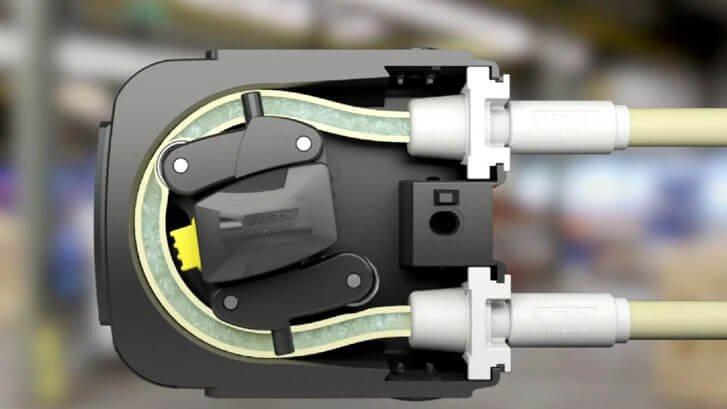
Original equipment manufacturers integrating fluid handling capability into their own products face a distinct set of considerations compared to end users purchasing standalone pumps for direct application use. Understanding how OEM peristaltic pump sourcing differs helps equipment manufacturers navigate this specialized procurement process more effectively.
Why OEM Sourcing Requires a Different Approach
Equipment manufacturers integrating peristaltic pump technology into their own products, whether medical devices, laboratory instruments, or industrial process equipment, need pumps engineered for seamless integration into their specific product design, rather than simply purchasing standalone pumps intended for independent operation. This integration focus shapes everything from physical form factor and mounting requirements through electrical interface compatibility and control system integration.
Customization Capability for Integration Requirements
A capable oem peristaltic pumps supplier needs to offer meaningful customization capability around form factor, control interface, and mounting configuration, since OEM applications rarely accommodate a completely standard, unmodified pump design without some degree of adaptation to fit within the broader product architecture being developed.
Collaborative Development for Product Integration
Successful OEM pump sourcing typically involves closer collaboration between the pump manufacturer’s engineering team and the OEM customer’s product development team compared to standard equipment purchases, since achieving proper integration often requires iterative design refinement based on how the pump component interacts with the broader product system being developed.
Managing Long-Term Supply Continuity
OEM customers typically require pump components to remain available and consistent across extended product lifecycles, sometimes spanning many years of ongoing production, making a manufacturer’s long-term supply continuity commitment an important consideration distinct from one-time equipment purchases where component consistency over years matters less.
Quality and Regulatory Documentation for OEM Applications
Depending on the OEM customer’s end product application, particularly for medical device or pharmaceutical equipment integration, pump components may need to meet specific regulatory documentation requirements that support the OEM customer’s own regulatory compliance obligations for their finished product.
See also: How Personalized Learning Platforms are Leveraging Data Analytics to Improve Student Outcomes
Cost Structure Considerations for OEM Relationships
OEM pump sourcing often involves different cost structure considerations compared to standard equipment purchases, including potential tooling costs for custom configurations, minimum order commitments tied to the OEM customer’s own production volumes, and pricing structures that may evolve as the OEM relationship matures and production volumes potentially scale.
Building a Strategic OEM Manufacturing Partnership
Given the depth of integration and long-term commitment typically involved in OEM pump sourcing relationships, equipment manufacturers benefit from approaching supplier selection as a strategic partnership decision rather than a simple transactional purchase, evaluating not just current technical capability but the pump manufacturer’s capacity to support the relationship’s evolution over the product’s full lifecycle.
Conclusion
OEM peristaltic pump sourcing requires a fundamentally more collaborative and long-term oriented approach compared to standard equipment purchasing. Equipment manufacturers who invest in selecting the right OEM pump partner, with genuine customization capability and long-term supply commitment, position their own products for more reliable, sustainable success.
FAQs
Q1: How does OEM pump sourcing differ from purchasing a standalone pump? OEM sourcing requires customization for integration into a broader product design, including form factor, control interface, and mounting adaptations rarely needed for standalone equipment purchases.
Q2: Why does long-term supply continuity matter for OEM relationships? OEM customers typically need consistent component availability across extended product lifecycles, sometimes spanning many years, making manufacturer supply commitment an important selection factor.
Q3: What regulatory considerations apply to OEM pump components? Depending on the end application, particularly medical or pharmaceutical products, pump components may need documentation supporting the OEM customer’s own regulatory compliance requirements.