How to Choose the Best Piano for Your Skill Level and Budget

Asking what the best piano is without more context is a bit like asking what the best car is; the right answer depends entirely on who is asking and what they actually need. Skill level, budget, available space, and long-term goals all shape what a truly ideal instrument looks like for any individual buyer.
Matching the Instrument to the Player
A complete beginner has very different needs from an intermediate player preparing for graded examinations, or an advanced musician seeking a concert-quality instrument. Buying above your current skill level rarely offers meaningful benefit, while buying significantly below it can limit progress and lead to frustration as skills develop faster than the instrument can support.
For most buyers, honestly assessing current skill level and realistic short-term goals provides a much more useful starting point than simply searching for the highest-rated instrument available regardless of price or specifications.
Space and Practical Constraints
Living Space Considerations
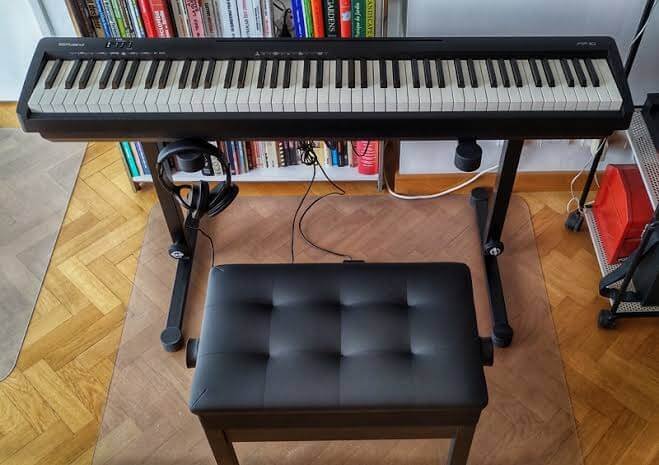
Especially in a city like Hong Kong where living space is often limited, practical constraints frequently shape the decision between an acoustic upright, a smaller digital piano, or a compact keyboard, regardless of which option might be theoretically ideal in an unlimited space.
Noise Considerations for Shared Buildings
For those living in apartment buildings with close neighbours, digital pianos with headphone practice options offer a practical solution that allows for regular practice without disturbing others, an important factor that is easy to overlook when focused purely on sound quality comparisons.
Getting a Second Opinion
Detailed buying guides that walk through the Best piano options available at different price points can be a valuable resource before making a final decision, particularly for buyers who do not have a personal connection to a piano teacher who could otherwise offer guidance.
Long-Term Value Versus Short-Term Savings
It is worth thinking beyond the initial purchase price toward the total value an instrument will provide over its lifetime. A slightly more expensive instrument that remains satisfying to play for many years often represents better value than a cheaper option that needs to be replaced within a year or two due to limitations in sound quality or key responsiveness.
See also: NetSuite Development: Customizing the Platform to Fit Your Business
Testing Before Committing
Whenever feasible, spending time actually playing a shortlist of instruments in person remains one of the most reliable ways to make a confident final decision, since personal feel and sound preference genuinely vary between individuals in ways that specifications alone cannot fully capture.
Frequently Asked Questions
Should I buy new or consider a used instrument?
Both options can work well depending on budget and the specific instrument’s condition, though used acoustic pianos should be professionally inspected before purchase to check for underlying issues.
How often should a piano be replaced or upgraded?
This varies significantly by player, but many upgrade as their skills progress beyond what their current instrument can adequately support, often after several years of consistent practice.
Is it worth renting a piano before buying?
Renting can be a sensible option for beginners who are still determining their long-term commitment to learning, allowing them to delay a larger investment until they are more confident in their continued interest.
Final Thoughts
There is no single universally best instrument, only the best instrument for your specific circumstances, and taking the time to honestly assess your needs will lead to a far more satisfying long-term purchase.