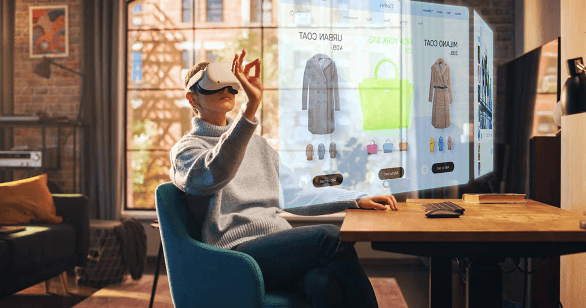
How AR Is Changing Retail

Augmented reality reshapes the in-store layer by overlaying product data, specs, and reviews onto physical items. It enables real-time personalization for fit, style, and recommendations, while trials and guidance boost shopper autonomy. Data from interactions informs attribution and ROI forecasts, influencing layouts, assortments, and pricing. AR also extends engagement into loyalty programs, fostering scalable customization. The question remains: how will retailers balance investment with measurable impact as this tech matures and consumer expectations rise?
How AR Transforms the In-Store Experience
Augmented reality is redefining the in-store experience by overlaying digital information onto physical products, enabling shoppers to access real-time specs, reviews, and usage guidance without leaving the aisle.
The approach supports data-driven decision making, measuring engagement through in-store experiments, conversion lift, and dwell time.
Retailers gain actionable insights, optimizing layouts, assortments, and price positioning for a future-ready, freedom-oriented marketplace.
augmented reality, in store experiments,
Building Personalization: AR’s Role in Fit, Style, and Recommendations
The integration of AR into fashion and consumer goods data ecosystems is elevating personalization by aligning fit accuracy, style guidance, and product recommendations with individual shopper profiles.
AR enables dynamic fit assessment, calibrated style recommendations, and adaptive sizing signals, supporting autonomy and informed choices.
Firms optimize inventory and churn forecasts through behavior-based parameters, reinforcing scalable personalization that respects consumer freedom and privacy.
Measuring Impact: Data, Attribution, and Shopper Confidence
Measuring impact in AR-enabled retail hinges on how data flows from user interactions to tangible business outcomes, with attribution models evolving to distinguish the contributions of fit accuracy, visual try-on, and personalized recommendations.
Data visualization clarifies pathways, while attribution models quantify lift across channels, empowering retailers to forecast ROI, optimize experiences, and bolster shopper confidence through transparent, evidence-based decision-making.
From Shopping to Loyalty: AR-Driven Experiences and Brand Share of Wallet
How can AR-Driven experiences extend the shopping moment into lasting loyalty and expand brand share of wallet? AR moves purchase intent toward durable engagement by personalizing trials, prompts, and post-purchase cues.
In practice, brands map journey phases, measuring lift in retention, repeat visits, and share of wallet.
fit challenges, style recommendations, innovation-driven differentiation, scalable customization, ongoing optimization.
Frequently Asked Questions
How Does AR Affect Privacy and Data Usage for Shoppers?
AR affects privacy and data usage by elevating privacy concerns and clarifying data ownership; shoppers’ interactions generate granular insights, driving controls, transparency, and consent frameworks, while industry-wide standards foster responsible data practices, future-ready, freedom-respecting safeguards for consumers.
Which Costs ARe Involved in Implementing AR in Stores?
AR deployment requires budget across hardware, software, integration, training, and maintenance; a transparent cost breakdown shows upfront setup, ongoing licensing, and upgrades, with staff impact and ROI timeline shaping accessibility practices and data privacy considerations.
Will AR Replace Human Staff or Complement It?
AR will complement, not replace, human staff; allegorically, a lighthouse guides ships while ships still crew the deck. AR staff augment capabilities, enhancing shopper experience with data-driven insights, scalable support, and future-focused efficiency.
How Quickly Do AR Features Typically Pay Off?
AR features typically pay off quickly, delivering quick ROI within 6–18 months for many retailers. Setup costs vary, but scalable platforms and pilots reduce risk; data-driven projections suggest steady benefits as adoption broadens in omnichannel strategies.
See also: How APIs Power the Modern Web
What ARe the Best Practices for Accessibility With AR?
Best practices for accessibility standards in AR emphasize inclusive design, shopper consent, and device compatibility, guided by data ethics; future-focused metrics show broad adoption. The approach balances freedom with responsible growth, aligning industry needs with universal accessibility considerations.
Conclusion
AR is reshaping retail by weaving digital guidance into physical spaces, enabling precise fit, informed style, and dynamic recommendations. Data-driven insights illuminate shopper intent, attribution, and ROI, empowering retailers to optimize layouts, assortments, and pricing while extending engagement into loyalty. A real-world example: augmented try-ons in fashion echelons, where AR-driven fit accuracy boosted conversion rates by double digits and increased average order value. Looking forward, scalable AR experiences will normalize personalization, deepen brand relevance, and expand share of wallet across omnichannel journeys.